- English
- Español
- Português
- русский
- Français
- 日本語
- Deutsch
- tiếng Việt
- Italiano
- Nederlands
- ภาษาไทย
- Polski
- 한국어
- Svenska
- magyar
- Malay
- বাংলা ভাষার
- Dansk
- Suomi
- हिन्दी
- Pilipino
- Türkçe
- Gaeilge
- العربية
- Indonesia
- Norsk
- تمل
- český
- ελληνικά
- український
- Javanese
- فارسی
- தமிழ்
- తెలుగు
- नेपाली
- Burmese
- български
- ລາວ
- Latine
- Қазақша
- Euskal
- Azərbaycan
- Slovenský jazyk
- Македонски
- Lietuvos
- Eesti Keel
- Română
- Slovenski
- मराठी
- Srpski језик
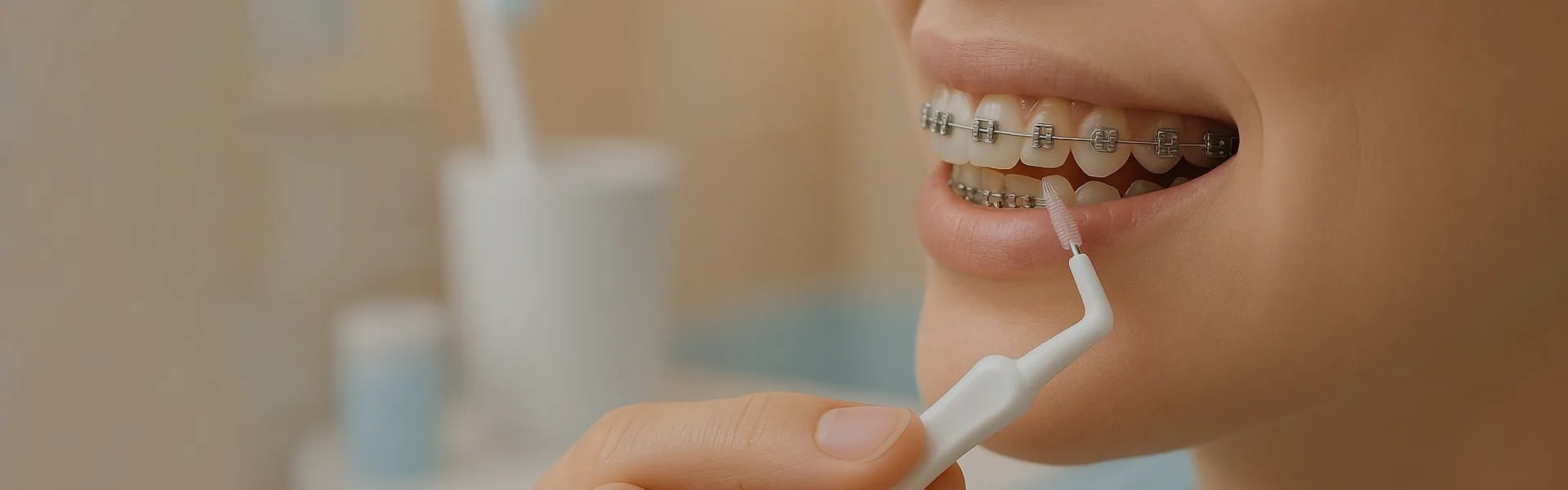
How Do Pagoda-Shaped Interdental Brands Help Oral Brands Differentiate & Lower Customer Return Rates?
Cross-border oral care brands, dental clinic suppliers and supermarket FMCG distributors are trapped in severe homogenization of ordinary interdental brushes. Conventional straight handle brushes are prone to slipping during cleaning, thin bristles easily fall off, and rigid brush heads scratch sensitive gums, bringing large numbers of product returns and negative reviews. Many small OEM factories only provide single-size, single-color products, unable to meet differentiated market demands of orthodontic crowds and sensitive gum groups. KLD Brush, a manufacturer with 20 years of oral brush production experience, launches pagoda-shaped ergonomic interdental brushes, solving consumer pain points in grip comfort, gentle cleaning and durability, and providing exclusive private label competitive SKUs for global oral product merchants.
1. Pagoda anti-slip ergonomic handle solves slipping trouble during deep gap cleaning
Flat smooth handles of common interdental brushes lack friction texture. Users need to grip hard when cleaning deep gaps around braces, and the brush easily slips out of fingers, reducing cleaning efficiency. The unique pagoda stepped structure of this product forms multi-layer anti-slip textures on the handle surface. Even with wet hands after brushing teeth, it can be stably held without sliding, allowing users to precisely control the brushing angle to reach hidden food residues between molars. The special contour design also improves product shelf recognition in retail supermarkets, helping goods stand out among dozens of similar interdental brush products and boost spontaneous purchase rates.
2. Gradient soft nylon bristles reduce gum bleeding complaints from sensitive consumers
Uniform thick bristles of cheap interdental brushes squeeze gum tissues during insertion, easily causing redness and bleeding, which is the top reason for e-commerce negative feedback. KLD adopts gradient tapered food-grade nylon filaments with three mainstream thickness specifications of 0.23/0.25/0.3mm. The thin front end gently penetrates narrow interdental spaces, while the thick rear part maintains sufficient plaque scraping force. The flexible bristle structure avoids forcibly widening tooth gaps after long-term use, perfectly matching orthodontic wearers, the elderly with loose teeth and groups with fragile gums, greatly cutting after-sales return losses caused by uncomfortable use.
3. High-tough bristle and food-grade PP material extend single product service cycle
Low-cost interdental brushes use inferior recycled plastic and brittle bristles, which deform or shed hair after one or two uses, creating wasteful consumer experience and damaging brand reputation. All bristles of the pagoda interdental brush are high-tough virgin nylon, resisting repeated bending without breakage; the whole handle adopts eco-friendly food-grade PP raw material, with strong bending and wear resistance, and no peculiar smell during contact with oral cavity. Under daily repeated use, the complete structure can maintain stable cleaning performance, improving product cost performance in consumers’ perception and raising repeat purchase willingness for brand oral care series.
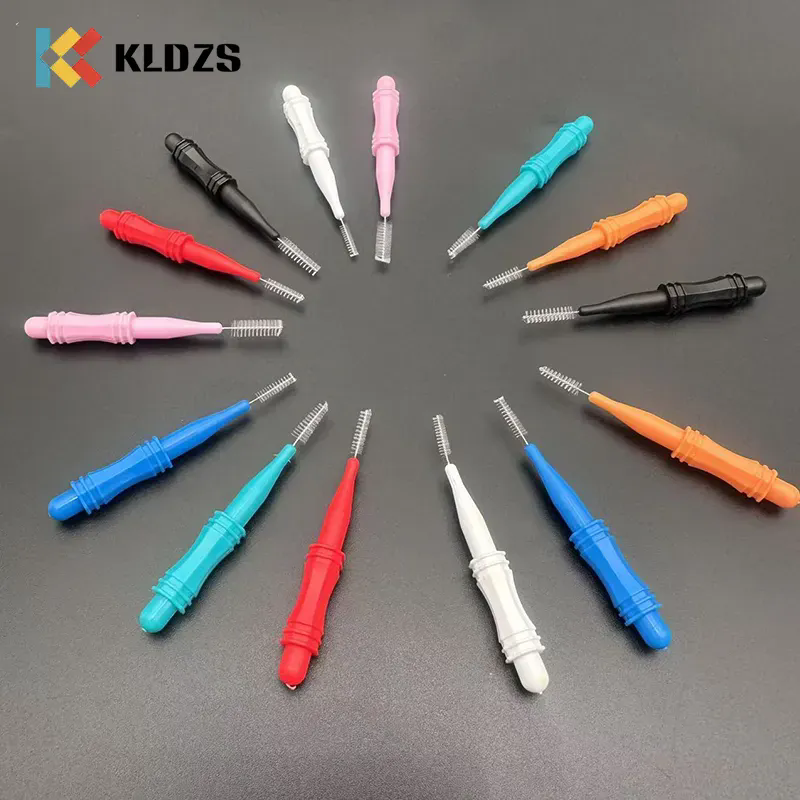
4. Rich color and customizable packaging support private label differentiated positioning
Most generic interdental brushes only provide 1-2 single colors, making it impossible for brands to create segmented product lines for different consumer groups such as ladies, children and orthodontic patients. This pagoda model supports seven mainstream color options including red, pink, orange and green, and can match exclusive color systems according to brand VI standards. Meanwhile, flexible packaging customization is available, ranging from single independent portable packaging to multi-piece combined retail boxes. Merchants can print brand logos, dental recommendation slogans and scene guidance patterns on packages, forming exclusive product images different from mass generic goods to avoid vicious price competition.
5. Multi-scene portable layout expands brand full-channel sales coverage
Many interdental brush products only target home use scenarios, missing large incremental markets such as travel, office and dental clinic after-sales matching. The compact single-piece independent design of this pagoda interdental brush occupies little space in cosmetic bags, handbags and office drawers, meeting consumers’ demand for oral cleaning outside the home. Distributors can supply it to dental clinics as orthodontic accessory gifts, cooperate with hotels as disposable oral supplies, and sell it in supermarkets and cross-border e-commerce stores, realizing multi-channel sales layout and increasing overall product order volume of the brand.
6. 20-year integrated factory supply stabilizes OEM batch quality and delivery cycle
Trading middlemen often face unstable bristle shedding rate and inconsistent color difference between batches, delaying brand new product launch plans. KLD realizes full industrial chain control from raw material procurement, injection molding, bristle planting to finished product inspection, with more than 20 years of professional brush manufacturing experience. All products pass oral safety migration testing before delivery, and flexible MOQ supports small-batch test orders and large-scale mass production for chain brands. The stable production schedule helps overseas merchants arrange inventory plans reasonably and avoid out-of-stock losses during sales peaks.