- English
- Español
- Português
- русский
- Français
- 日本語
- Deutsch
- tiếng Việt
- Italiano
- Nederlands
- ภาษาไทย
- Polski
- 한국어
- Svenska
- magyar
- Malay
- বাংলা ভাষার
- Dansk
- Suomi
- हिन्दी
- Pilipino
- Türkçe
- Gaeilge
- العربية
- Indonesia
- Norsk
- تمل
- český
- ελληνικά
- український
- Javanese
- فارسی
- தமிழ்
- తెలుగు
- नेपाली
- Burmese
- български
- ລາວ
- Latine
- Қазақша
- Euskal
- Azərbaycan
- Slovenský jazyk
- Македонски
- Lietuvos
- Eesti Keel
- Română
- Slovenski
- मराठी
- Srpski језик

What Is a Straw Brush and Its Uses in Modern Cleaning?
A straw brush is a versatile cleaning and maintenance tool widely used across household, industrial, and commercial environments. Designed with bristles that can effectively clean narrow, cylindrical, or hard-to-reach spaces, it has become an essential accessory in modern cleaning routines. This article explores everything about straw brushes—from structure, materials, and applications to selection tips, maintenance methods, and industry use cases. Whether you are a consumer, distributor, or manufacturer, understanding straw brushes helps improve cleaning efficiency and product decision-making.
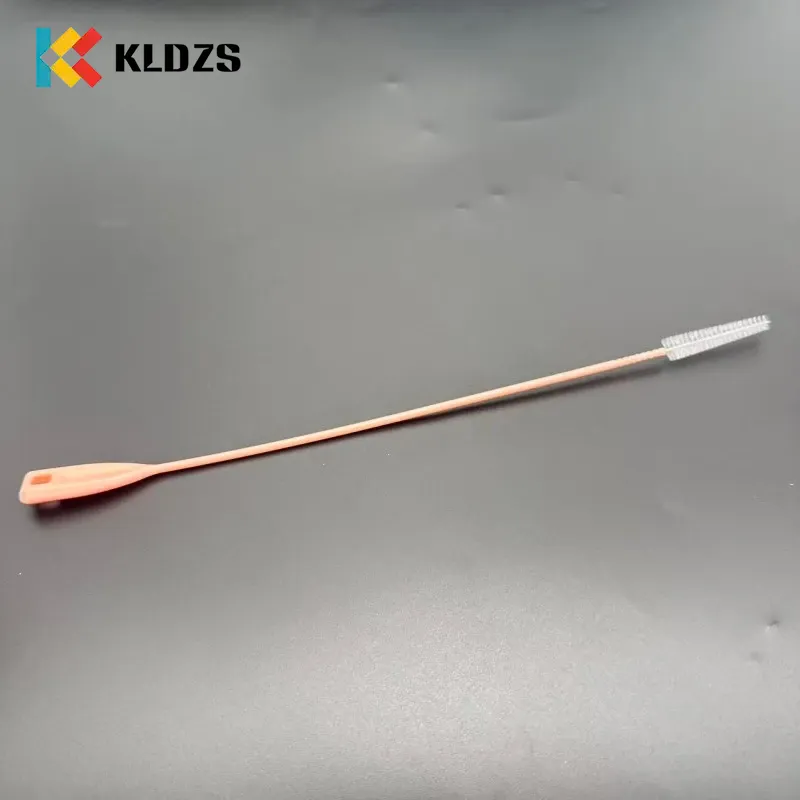
Table of Contents
- Introduction
- What Is a Straw Brush?
- Materials and Construction
- Types of Straw Brushes
- Applications Across Industries
- Key Benefits
- How to Choose the Right Straw Brush
- Maintenance and Care
- Common Problems and Solutions
- Comparison Table
- Buying Guide for Businesses
- Sustainability and Eco Considerations
- Frequently Asked Questions
- Conclusion
Introduction
Cleaning tools have evolved significantly over time, and among them, the straw brush stands out for its adaptability and precision. From cleaning delicate straws and bottles to maintaining industrial tubing systems, straw brushes play a critical role in ensuring hygiene and efficiency. Despite its simple appearance, this tool is engineered for performance and durability.
In modern cleaning systems, especially where narrow or enclosed spaces are involved, conventional brushes often fail to reach deep areas. This is where straw brushes become indispensable. Their design allows users to clean with accuracy, reduce residue buildup, and improve sanitation standards.
What Is a Straw Brush?
A straw brush is a specialized cleaning tool designed with a long, flexible handle and bristles arranged in a cylindrical or spiral formation. Its primary purpose is to clean narrow openings such as drinking straws, tubes, pipes, and small cylindrical containers.
Unlike standard brushes, straw brushes are engineered for precision cleaning. They are typically slim, flexible, and available in various diameters to match different applications.
- Designed for narrow spaces
- Flexible structure for deep cleaning
- Available in multiple sizes
- Reusable and durable
Materials and Construction
The performance of a straw brush largely depends on its materials. Manufacturers carefully select components based on durability, flexibility, and hygiene requirements.
| Component | Common Materials | Function |
|---|---|---|
| Bristles | Nylon, stainless steel wire, polypropylene | Cleaning and scrubbing |
| Handle | Stainless steel, twisted wire, plastic-coated wire | Support and flexibility |
| Coating | Plastic or silicone | Protection and grip enhancement |
High-quality straw brushes use corrosion-resistant materials to ensure long-term usability, especially in moist or chemical environments.
Types of Straw Brushes
Straw brushes are not one-size-fits-all tools. They come in various forms designed for specific cleaning tasks.
- Standard Straw Brushes: Used for drinking straws and small tubes
- Industrial Tube Brushes: Designed for machinery and pipe systems
- Micro Cleaning Brushes: For precision instruments and lab equipment
- Flexible Wire Brushes: Suitable for curved or complex shapes
Applications Across Industries
Straw brushes are widely used in both domestic and industrial settings.
- Household cleaning (straws, bottles, reusable cups)
- Food and beverage industry sanitation
- Medical and laboratory equipment cleaning
- Industrial pipe and machinery maintenance
- Automotive and mechanical systems
Their adaptability makes them essential in environments where hygiene and precision are critical.
Key Benefits
The advantages of using straw brushes extend beyond simple cleaning.
- Improved cleaning efficiency
- Reaches inaccessible areas
- Reduces contamination risks
- Reusable and cost-effective
- Available in eco-friendly materials
These benefits make straw brushes a preferred choice in hygiene-sensitive industries.
How to Choose the Right Straw Brush
Selecting the right straw brush depends on application needs and material compatibility.
- Determine the diameter of the space to be cleaned
- Choose appropriate bristle stiffness
- Consider chemical resistance if used in labs or industry
- Evaluate handle flexibility for complex shapes
- Check durability for repeated use
Maintenance and Care
Proper maintenance extends the lifespan of straw brushes and ensures consistent performance.
- Rinse thoroughly after each use
- Dry completely to prevent rust or mold
- Store in a clean, dry environment
- Avoid excessive bending of wire handles
Common Problems and Solutions
Problem: Bristles wear out quickly
Solution: Choose higher-grade nylon or stainless steel bristles
Problem: Brush not fitting narrow openings
Solution: Measure diameter accurately before purchase
Problem: Rusting handle
Solution: Use coated stainless steel variants
Comparison Table
| Feature | Standard Brush | Straw Brush |
|---|---|---|
| Reachability | Limited | High precision |
| Flexibility | Low | High |
| Application Range | General surfaces | Narrow tubes and straws |
| Cleaning Efficiency | Moderate | High |
Buying Guide for Businesses
For wholesalers and distributors, selecting a reliable supplier is critical. Bulk purchasing requires attention to consistency, durability, and customization options.
- Check manufacturing standards
- Request product samples before bulk orders
- Evaluate customization options (size, color, branding)
- Assess production capacity and lead time
Companies in hospitality, healthcare, and manufacturing industries often rely on consistent straw brush supply chains to maintain operational hygiene.
Sustainability and Eco Considerations
Modern straw brushes are increasingly designed with sustainability in mind. Reusable materials and recyclable components help reduce environmental impact. Many manufacturers are shifting toward biodegradable plastics and eco-friendly production processes.
- Reusable cleaning tools reduce waste
- Recyclable materials lower environmental footprint
- Long lifespan reduces replacement frequency
Frequently Asked Questions
Q1: What is a straw brush used for?
A straw brush is used for cleaning narrow tubes, straws, bottles, and cylindrical objects that are difficult to reach with standard brushes.
Q2: Are straw brushes reusable?
Yes, most straw brushes are designed for multiple uses if properly cleaned and maintained.
Q3: What materials are best for straw brushes?
Nylon bristles and stainless steel handles are commonly preferred for durability and hygiene.
Q4: Can straw brushes be used in industrial applications?
Yes, they are widely used in industrial cleaning, especially in pipes, machinery, and laboratory equipment.
Q5: How do I clean a straw brush?
Simply rinse with warm water and mild detergent, then air dry completely.
Conclusion
The straw brush may seem like a simple tool, but its impact on cleaning efficiency and hygiene is significant. From household use to industrial applications, it ensures precision cleaning where other tools fall short. By understanding its structure, materials, and proper usage, users can maximize performance and durability.
As demand for high-quality cleaning tools continues to grow, professional manufacturers play a key role in innovation and supply.
For premium-quality straw brushes and customized solutions, Qingdao Kailinda Brush Manufacturing Co., Ltd. is committed to delivering reliable products tailored to various industrial and commercial needs.
Contact us today to explore cooperation opportunities, request samples, or discuss bulk orders for your business requirements.