- English
- Español
- Português
- русский
- Français
- 日本語
- Deutsch
- tiếng Việt
- Italiano
- Nederlands
- ภาษาไทย
- Polski
- 한국어
- Svenska
- magyar
- Malay
- বাংলা ভাষার
- Dansk
- Suomi
- हिन्दी
- Pilipino
- Türkçe
- Gaeilge
- العربية
- Indonesia
- Norsk
- تمل
- český
- ελληνικά
- український
- Javanese
- فارسی
- தமிழ்
- తెలుగు
- नेपाली
- Burmese
- български
- ລາວ
- Latine
- Қазақша
- Euskal
- Azərbaycan
- Slovenský jazyk
- Македонски
- Lietuvos
- Eesti Keel
- Română
- Slovenski
- मराठी
- Srpski језик

Why Is an Oral Care Brush Essential for Your Daily Health Routine?
Oral hygiene is no longer limited to simply brushing your teeth twice a day. With increasing awareness of dental health and overall well-being, the tools we use—especially the oral care brush—play a vital role in maintaining not only a bright smile but also long-term health. Many people struggle with issues like plaque buildup, gum sensitivity, bad breath, and ineffective cleaning routines. The right oral care brush can significantly improve these problems, offering targeted solutions that traditional tools often fail to deliver.
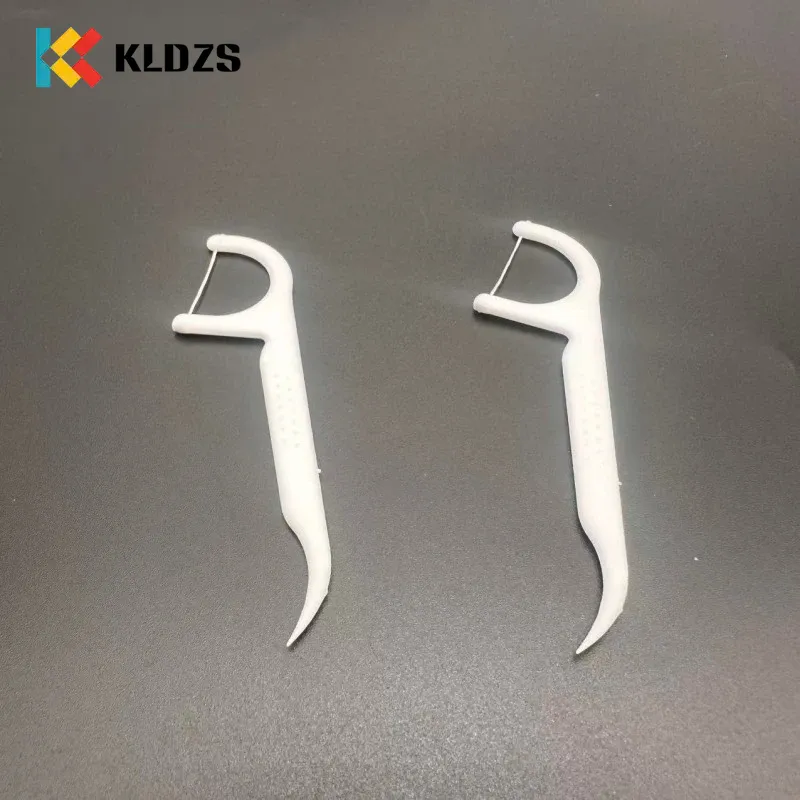
Article Summary
This comprehensive guide explores the importance of oral care brushes, how they work, and why choosing the right one matters. It addresses common user pain points such as gum damage, inefficient cleaning, and product confusion. You’ll also discover different types of brushes, how to select the best one for your needs, and practical tips for maximizing oral hygiene.
Table of Contents
- 1. What Is an Oral Care Brush?
- 2. Why Is Oral Hygiene More Important Than Ever?
- 3. What Problems Can an Oral Care Brush Solve?
- 4. Types of Oral Care Brushes
- 5. How to Choose the Right Oral Care Brush
- 6. Key Features to Look For
- 7. Proper Usage Techniques
- 8. Comparison Table
- 9. Maintenance and Replacement Tips
- 10. Common Mistakes to Avoid
- 11. Future Trends in Oral Care Brushes
- 12. FAQ
1. What Is an Oral Care Brush?
An oral care brush refers to a specialized dental hygiene tool designed to clean teeth, gums, and hard-to-reach areas effectively. Unlike traditional toothbrushes, modern oral care brushes may include advanced bristle designs, ergonomic handles, and even electric or sonic technology to enhance cleaning efficiency.
2. Why Is Oral Hygiene More Important Than Ever?
Poor oral hygiene has been linked to a variety of health issues, including gum disease, tooth decay, and even systemic conditions such as heart disease and diabetes. In today’s fast-paced lifestyle, people often overlook proper dental care, leading to long-term complications.
- Prevents plaque and tartar buildup
- Reduces the risk of gum disease
- Improves breath freshness
- Enhances overall health
3. What Problems Can an Oral Care Brush Solve?
Many users experience frustration due to ineffective cleaning tools. An advanced oral care brush can address several common issues:
- Incomplete Cleaning: Reaches tight spaces between teeth
- Gum Irritation: Soft bristles reduce damage
- Bad Breath: Removes bacteria more efficiently
- Plaque Accumulation: Improves removal with better design
4. Types of Oral Care Brushes
There are various types of oral care brushes available, each catering to specific needs:
- Manual Toothbrushes
- Electric Toothbrushes
- Interdental Brushes
- Tongue Cleaning Brushes
- Orthodontic Brushes
5. How to Choose the Right Oral Care Brush
Selecting the right brush depends on your oral condition, lifestyle, and personal preferences. Consider the following:
- Bristle softness (soft, medium, hard)
- Brush head size
- Handle grip comfort
- Special features (vibration, timers)
6. Key Features to Look For
A high-quality oral care brush should include:
- Ergonomic design for easy handling
- High-density bristles for thorough cleaning
- Durable materials for long-term use
- Safe and non-toxic components
7. Proper Usage Techniques
Using an oral care brush correctly is just as important as choosing the right one.
- Brush at a 45-degree angle to the gums
- Use gentle circular motions
- Brush for at least two minutes
- Clean all surfaces, including tongue
8. Comparison Table
| Type | Best For | Advantages | Disadvantages |
|---|---|---|---|
| Manual Brush | General Use | Affordable, easy to use | Less effective cleaning |
| Electric Brush | Deep Cleaning | High efficiency, easy | Higher cost |
| Interdental Brush | Between Teeth | Precise cleaning | Requires technique |
| Tongue Brush | Fresh Breath | Removes bacteria | Limited use |
9. Maintenance and Replacement Tips
To ensure optimal performance:
- Replace your brush every 3 months
- Rinse thoroughly after each use
- Store in a dry, clean place
- Avoid sharing brushes
10. Common Mistakes to Avoid
- Brushing too hard
- Using worn-out brushes
- Skipping tongue cleaning
- Not brushing long enough
11. Future Trends in Oral Care Brushes
Innovation in oral care is evolving rapidly. Smart toothbrushes with AI tracking, eco-friendly materials, and customizable brush heads are becoming increasingly popular. These advancements aim to provide more personalized and sustainable oral hygiene solutions.
12. FAQ
Q1: How often should I replace my oral care brush?
A: Every 2–3 months or sooner if bristles are worn.
Q2: Are electric brushes better than manual ones?
A: Electric brushes generally offer better plaque removal, but both can be effective when used properly.
Q3: Can oral care brushes help with sensitive gums?
A: Yes, using soft-bristled brushes can reduce irritation and improve gum health.
Q4: Do I need multiple types of brushes?
A: Depending on your needs, combining tools like interdental brushes can improve overall hygiene.
Conclusion
An oral care brush is more than just a daily tool—it is a critical component of your overall health strategy. By understanding its importance, choosing the right type, and using it correctly, you can prevent many common dental issues and improve your quality of life.
About the Manufacturer
Qingdao Kailinda Brush Manufacturing Co., Ltd. is a trusted name in the oral care industry, specializing in high-quality brush solutions designed for performance, durability, and user comfort. With years of expertise and innovation, the company continues to deliver products that meet global standards.
Contact Us
Looking for reliable oral care brush solutions tailored to your business or personal needs? Contact us today to explore premium-quality products and customized services. Let Qingdao Kailinda Brush Manufacturing Co., Ltd. help you elevate your oral care experience.