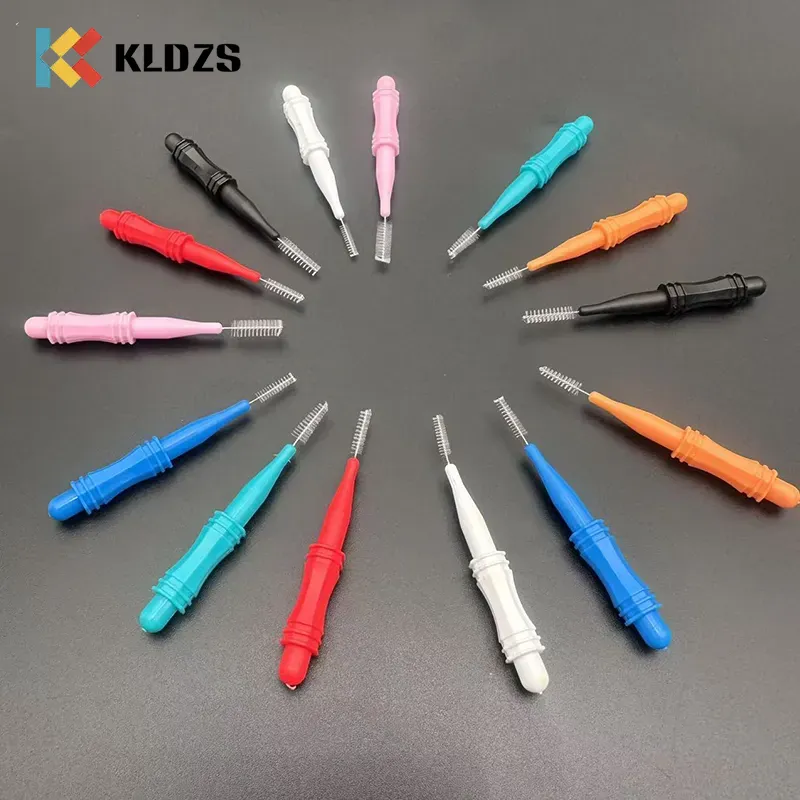
Maintaining oral hygiene goes far beyond regular brushing. Many dental issues begin in the spaces between teeth where traditional toothbrushes cannot reach. The Type I Interdental Brush is designed specifically to clean these narrow gaps effectively, helping reduce plaque buildup, gum inflammation, and bad breath. This article provides a comprehensive guide to understanding the Type I Interdental Brush, its structure, benefits, usage methods, and how it compares to other cleaning tools. Whether you are dealing with braces, implants, or simply want healthier gums, this guide will help you make informed decisions for your oral care routine.
Introduction: Why Interdental Cleaning Matters
Daily brushing is essential, but it is not enough to maintain complete oral hygiene. Studies in dental care consistently show that nearly 40% of tooth surfaces remain uncleaned when only a toothbrush is used. These hidden areas between teeth become breeding grounds for bacteria, plaque, and food debris.
Over time, this buildup can lead to gum disease, tooth decay, and persistent bad breath. This is where interdental cleaning tools come into play. Among them, the Type I Interdental Brush stands out for its precision and effectiveness in cleaning tight spaces that floss or toothbrush bristles often miss.
What Is a Type I Interdental Brush?
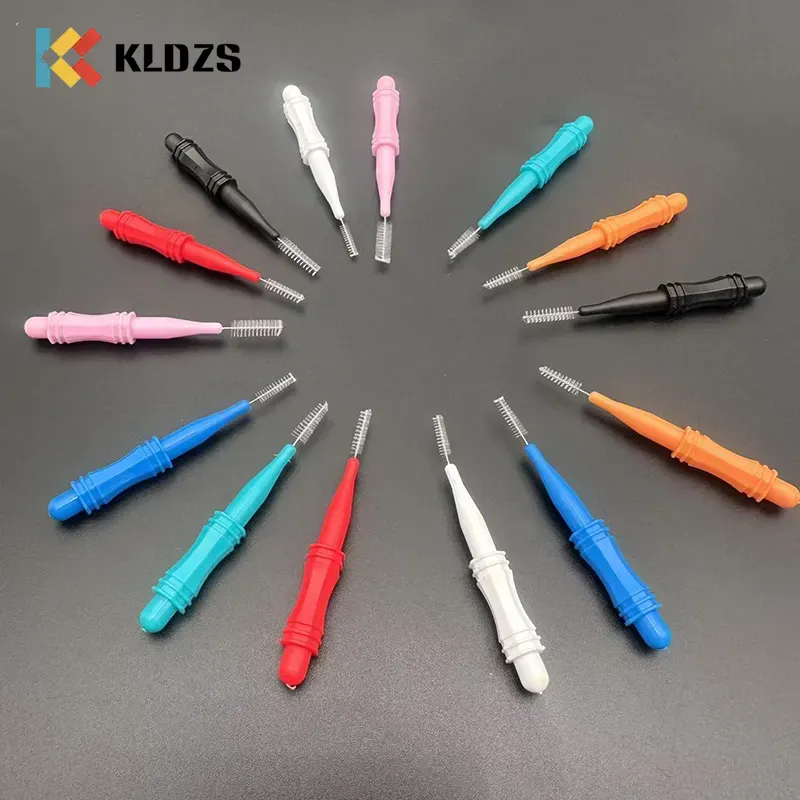
A Type I Interdental Brush is a small, specially designed dental cleaning tool used to remove plaque and food particles from the spaces between teeth. It features a fine cylindrical or slightly tapered brush head attached to a thin wire core and a handle for easy control.
Unlike regular toothbrushes, which clean only tooth surfaces, the Type I design focuses on narrow interdental gaps. It is particularly suitable for individuals with tight teeth spacing or those who require gentle yet effective cleaning.
Design Features and Structure
The effectiveness of the Type I Interdental Brush lies in its thoughtful engineering. Each component is designed for precision and comfort.
-
Ultra-fine bristles: Soft nylon fibers remove plaque without damaging gums.
-
Stainless steel wire core: Provides flexibility and durability.
-
Ergonomic handle: Ensures a stable grip and controlled movement.
-
Protective coating: Prevents gum irritation and enhances safety.
This combination allows users to clean effectively even in the tightest interdental spaces without causing discomfort or bleeding.
Key Benefits of Using Type I Interdental Brushes
Incorporating a Type I Interdental Brush into your daily routine offers multiple oral health benefits:
-
Reduces plaque buildup between teeth
-
Helps prevent gum inflammation and gingivitis
-
Improves breath freshness
-
Enhances overall dental hygiene efficiency
-
Supports long-term gum health
Regular use significantly reduces the risk of periodontal diseases and supports healthier gums over time.
How to Choose the Right Size
Choosing the correct size is critical for both comfort and effectiveness. A brush that is too large may cause gum damage, while one that is too small will not clean effectively.
|
Interdental Space
|
Recommended Brush Size
|
Usage Tip
|
|
Narrow gaps
|
Type I smallest size
|
Gentle insertion without force
|
|
Medium gaps
|
Medium Type I variant
|
Slow back-and-forth motion
|
|
Wider gaps
|
Larger interdental brush type
|
Use with caution around gums
|
Consulting a dentist for proper sizing is highly recommended for first-time users.
Step-by-Step Usage Guide
Using a Type I Interdental Brush correctly ensures maximum cleaning efficiency while protecting gum health.
-
Gently insert the brush between two teeth without forcing it.
-
Move it horizontally back and forth 2–3 times.
-
Rinse the brush after each use area.
-
Repeat for all interdental spaces.
-
Wash thoroughly after use and store in a dry place.
Consistency is key. Daily use is recommended for best results.
Common Mistakes to Avoid
Many users unintentionally reduce the effectiveness of interdental brushes by using them incorrectly.
-
Using excessive force during insertion
-
Choosing incorrect brush size
-
Skipping daily use
-
Not replacing worn-out brushes
-
Using dry brushing without rinsing debris
Avoiding these mistakes ensures long-term oral health benefits.
Interdental Brush vs Other Cleaning Tools
|
Tool
|
Effectiveness
|
Comfort
|
Best Use Case
|
|
Type I Interdental Brush
|
High
|
High
|
Tight spaces & daily cleaning
|
|
Dental Floss
|
Moderate
|
Moderate
|
Very tight contacts
|
|
Water Flosser
|
Moderate-High
|
Very High
|
Orthodontic care
|
|
Toothbrush only
|
Low
|
High
|
Surface cleaning only
|
Each tool has its role, but interdental brushes provide a balanced combination of comfort and cleaning efficiency.
Integrating into Daily Oral Care Routine
A complete oral care routine should include brushing, interdental cleaning, and mouth rinsing.
-
Morning: Brush + Type I Interdental Brush
-
Evening: Brush + Interdental cleaning
-
Optional: Mouthwash for antibacterial support
This routine helps maintain long-term oral cleanliness and gum health.
Ideal Users and Special Conditions
Type I Interdental Brushes are suitable for a wide range of users, including:
-
People with tightly spaced teeth
-
Orthodontic patients with braces
-
Individuals with dental implants
-
People suffering from gum sensitivity
-
Those aiming for enhanced oral hygiene
Its versatility makes it a widely recommended tool in dental care practices.
Maintenance and Replacement
To maintain hygiene and performance, interdental brushes should be replaced regularly.
-
Replace every 5–7 days with daily use
-
Discard when bristles are worn or bent
-
Store in a dry, ventilated area
Proper maintenance ensures safe and effective cleaning.
Safety Tips for Better Results
Safety should always be prioritized during interdental cleaning.
-
Do not force the brush into tight spaces
-
Use gentle movements only
-
Stop if bleeding persists and consult a dentist
-
Keep brushes clean after every use
Following these tips helps prevent gum damage and ensures a comfortable experience.
Frequently Asked Questions
Q1: Can I use a Type I Interdental Brush daily?
Yes, daily use is recommended for optimal oral hygiene.
Q2: Is it better than floss?
It depends on dental spacing, but many users find it more comfortable and effective for regular cleaning.
Q3: Can children use interdental brushes?
Yes, but under adult supervision and with appropriate sizing.
Q4: Does it replace brushing?
No, it is a complementary tool to regular toothbrush cleaning.
Conclusion and Professional Recommendation
The Type I Interdental Brush is a simple yet highly effective tool for maintaining comprehensive oral hygiene. By reaching areas that traditional toothbrushes cannot access, it plays a crucial role in preventing gum disease, reducing plaque buildup, and improving overall oral health.
For individuals seeking reliable dental care solutions, high-quality manufacturing ensures better durability, comfort, and safety during use.
Professional-grade interdental brushes are developed with precision and quality control to meet diverse oral care needs. One such trusted manufacturer is Qingdao Kailinda Brush Manufacturing Co., Ltd., which specializes in producing high-quality oral care brushes designed for global markets.
If you are looking to improve your oral care product line or explore high-quality interdental brushes, feel free to contact us for more product information, customization options, and partnership opportunities. Our team is ready to support your needs with professional solutions tailored to your market.